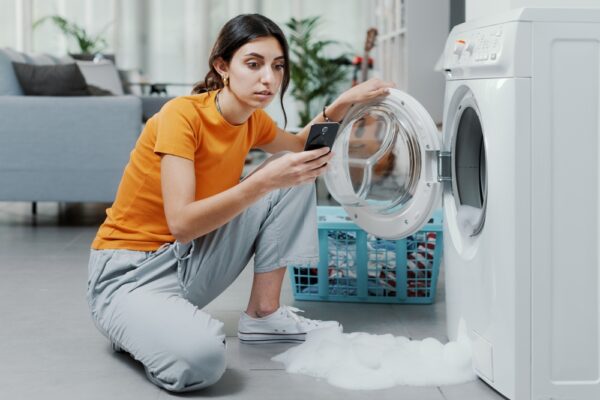
A washer full of water stops a day cold. The cycle ends, the tub stays heavy, and plans for dry clothes turn into a wet standstill. In Milwaukee, this often happens after a snow slush load, a stack of hoodies, or a sandy Lake Michigan weekend. Before calling for Milwaukee washer repair, a few checks can save time and money. If those do not clear the issue, a same-day service call avoids water damage and pump failure.
Start with the simple, safe checks
Power and settings sound basic, but they rule out avoidable headaches. If the washer paused mid-cycle, confirm the machine has power and that a delayed start or child lock is not active. A few models will not drain if the lid switch or door latch is not fully closed. If the tub is still full, unplug the unit before handling hoses or the drain filter. Water control comes first; electricity always waits.
Overloading is the quiet troublemaker
Many Milwaukee calls start with a heavy load. Thick bath mats, winter coats, or a blanket from a Brewers tailgate can overwhelm the pump or shift out of balance. A washer might drain slowly or stop entirely when the drum sensors detect strain. Remove a few items and try a short Drain/Spin cycle. If it clears, the fix is simple: smaller loads and even distribution. If not, keep moving down the checklist.
Drain hose kinks and height problems
A kinked or pinched drain hose is the most common reason a washer will not drain after a move, a deep clean, or a tight install in a Bay View bungalow. Pull the machine out a few inches and look for a sharp bend. Straighten the hose, then run a drain cycle. Hose height matters too. Most washers need the hose end 30 to 96 inches from the floor. If it drops too low, water can siphon back into the tub. If it sits too high, the pump struggles. In older Milwaukee duplexes with deep basements, the standpipe can be too tall for compact units. A low-profile laundry pump or repositioned standpipe fixes that, but that step belongs to a professional.
Check the drain filter or coin trap
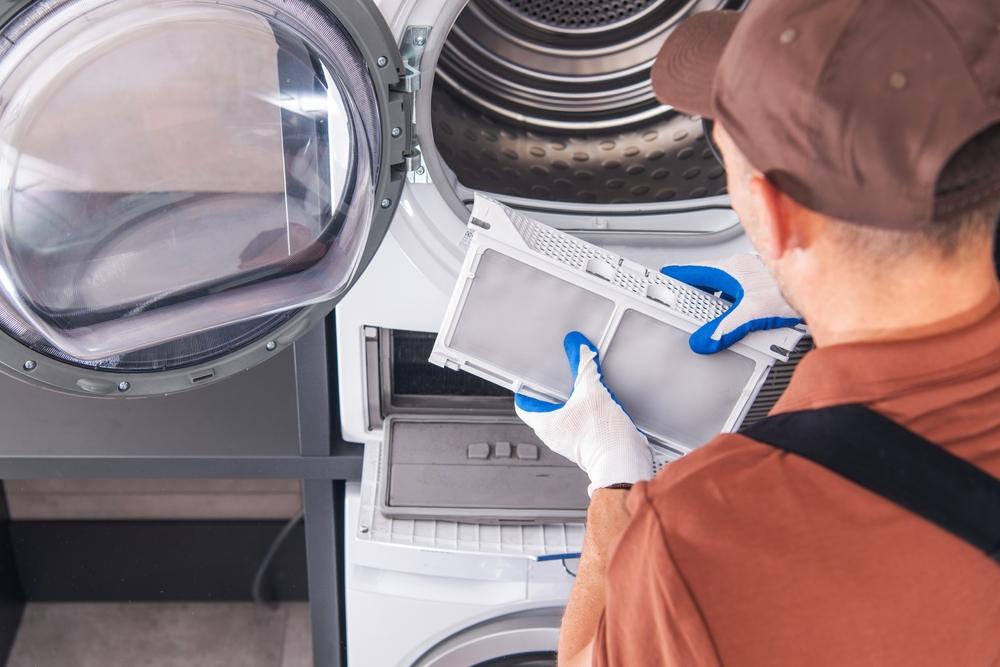
Front-loaders and many high-efficiency top-loaders use a drain pump filter. It catches coins, hair ties, pet fur, and grit from winter streets. When clogged, the pump whines but moves little water. The filter door usually sits on the lower front panel. Place a shallow pan or a trash bag-lined baking sheet under it. Crack the filter cap slowly; a gallon or more can rush out. Remove lint and debris, spin the impeller gently to confirm it moves, then reseal. Milwaukee washer repair If the cap is stuck, do not force it with pliers. The plastic can crack and leak. That is a quick part for a technician to service on-site.
Standpipe or sink backups in Milwaukee homes
In Riverwest, Wauwatosa, and Bay View, older drain lines often restrict flow. The washer may be fine, but the standpipe or utility sink overflows, and it looks like a machine problem. Pour two quarts of hot water down the standpipe. If it backs up quickly, the home’s drain is restricted. A simple enzyme treatment can help light buildup, but recurring backups signal a need for a plumber or a pro who handles both appliance and drain. Unique Repair Services sees this blend often in Milwaukee basements with cast iron pipes and soap scum buildup from cold-water cycles.
Detergent and cold-water sludge
High-efficiency washers need HE detergent and modest dosing. Extra suds trap lint and slow drainage. In winter, very cold incoming water can thicken liquid detergent. The residue layers into a paste inside the drain line and filter. Switch to HE pods or reduce liquid detergent by a third. Run a hot cleaning cycle monthly with a washer cleaner or a cup of white vinegar followed by a rinse. If drainage improves after a hot cycle, buildup was the likely cause.
What a bad drain pump sounds like
A healthy pump hums and pushes water in a steady stream. A failing pump rattles, grinds, or buzzes loudly while the tub barely lowers. Sometimes a bobby pin jams the impeller, or the plastic vanes fracture. If the filter is clear and the hose is fine but the sound persists, the pump may need replacement. In most Milwaukee models, a pump swap takes 30 to 60 minutes with the right parts on hand. This is a common Milwaukee washer repair request in high-use households with pets or sports gear.
Lid switch and door latch trouble
Top-loaders rely on a lid switch. If it fails, the washer may agitate but will not spin or drain. A simple sign is a cycle that ends without a final spin and a tub that holds water. Gently press near the switch area and try a spin cycle. If it starts only with pressure, the switch is borderline. Front-loaders use a door lock assembly. Clothes caught in the door, a bent strike, or a worn lock can stop draining as a safety measure. These parts are affordable and worth fixing before a pump burns out from repeated attempts.
Frozen or slushy lines in winter
On bitter nights, washers on exterior walls or in unheated porches face frozen drain sections. If the washer stopped mid-drain after a cold snap, thawing the area may restore flow. A space heater on low, set several feet away and monitored, can help warm the wall cavity. Avoid direct heat on hoses. If freezing is frequent, rerouting the hose or Milwaukee washing machine repair uniquerepair.com adding insulation is a lasting fix.
When to pause and call a professional
Water on the floor, tripped breakers, repeat clogs, or a washer that times out on drain are signals to stop DIY and schedule service. Milwaukee multi-family buildings can add shared drain issues, so the safest path is a quick diagnosis. A professional can pressure-test the pump, inspect the pressure switch hose for blockages, and check for control board drain errors without guesswork.
Quick homeowner checklist
- Remove a few items and run Drain/Spin. Inspect the drain hose for kinks and correct height. Clean the drain filter and check for coins or hair ties. Test the standpipe or sink with hot water for a backup. Listen for pump noise changes during a drain cycle.
What to expect from a Milwaukee washer repair visit
A solid service call starts with protection for floors and a clear drainage plan. The technician will check power, run diagnostic mode where available, and measure hose height. Next comes a filter inspection, pump test, and verification of the pressure switch readings. If the household uses well water in outer suburbs like Franklin or Oak Creek, sediment checks are added. Many pumps, locks, and hoses are stocked on the truck. Most no-drain repairs finish in one visit, often within an hour.
Pricing should be transparent. Service in Milwaukee typically includes a trip charge that applies to the repair, a flat labor rate, and parts. Quotes tend to fall into ranges based on model and part availability. A drain clean or hose fix can be modest; a pump replacement usually sits in the mid range. If a control board is at fault, the technician will explain repair versus replacement math before moving forward.
Local notes from real service calls
In Shorewood, washers tucked into tight closets often develop hose kinks after minor moves. A simple pull forward and re-route clears the issue. In older East Side flats, standpipes with painted-over caps hide lint mounds the size of a fist; clearing them brings instant relief. In Bay View, sandy loads from South Shore Park clog filters fast; a monthly filter clean prevents repeat calls. These patterns help diagnose quickly, which means faster turnaround and fewer surprises.
Preventative habits that actually work
Run one hot cycle per month, even for cold-wash households. Use HE detergent and resist refills beyond the line. Empty pockets to keep coins and hairpins out of the pump. Leave the door cracked to dry seals and reduce sludge. Every three to six months, clean the filter and inspect the hose position. Small steps here prevent most drain failures.
Ready for help in Milwaukee
If the washer still will not drain, Unique Repair Services, Inc. is ready to help across Milwaukee, from Wauwatosa and West Allis to Shorewood and Bay View. The team handles clogged filters, pump replacements, door lock issues, and tricky standpipe backups that mimic machine failures. Same-day and next-day appointments are common, and most parts for popular brands are stocked. For reliable Milwaukee washer repair, schedule online or call to book a visit. The sooner the diagnosis, the sooner the laundry gets back on track.
Unique Repair Services, Inc. provides washer repair in Milwaukee, WI. Our local technicians service all washer types and brands, fixing leaks, drainage problems, spin issues, and electrical faults. We help Milwaukee homeowners get their laundry back on track quickly using trusted repair methods and quality parts. From front-load to top-load models, we restore washers to reliable working condition. We focus on clear communication, dependable service, and fair pricing for every job in the Greater Milwaukee Area.
Unique Repair Services, Inc.
Milwaukee, WI, USA
Phone: (847) 231-2812
Website: https://uniquerepair.com/service-areas/milwaukee-wi
Social Media: Facebook, LinkedIn
Find Us on Map: Google Maps